

Scaling a business is a thrilling yet challenging endeavour. Many assume it requires hiring more staff. However, this isn’t always the case.
Business growth can be achieved by optimising existing resources. This approach can save costs and increase efficiency.
Technology plays a crucial role in this process. Automation can handle repetitive tasks, freeing up your team for strategic work.
Outsourcing non-core activities is another effective strategy. It allows you to focus on what truly matters.
Strategic partnerships can open doors to new markets and resources. This can be done without expanding your team.
Customer retention is key to business expansion. Satisfied customers are more likely to return and refer others.
Streamlining processes can lead to significant cost savings. It also enhances operational efficiency, making scaling more feasible.
By leveraging these strategies, businesses can grow sustainably. This guide will explore these methods in detail, providing actionable insights.
Understanding the Need to Scale Without Hiring
Scaling a business typically involves increasing productivity or expanding reach. Yet, hiring more staff isn’t always necessary. In fact, it might be counterproductive if resources aren’t managed efficiently.
Business expansion often comes with higher overhead costs. Salaries and benefits are significant expenses. By avoiding additional hires, these costs can be minimised.
There are smarter ways to grow without increasing headcount. You can achieve scalability by leveraging technology and improving operational efficiency. This approach ensures that existing resources are utilised to their full potential.
Furthermore, maintaining a lean team can enhance flexibility. Smaller teams can adapt to changes more quickly. They often foster a closer, more collaborative culture.
One key to successful scaling is identifying areas where efficiency can be improved. Start by evaluating current processes and resources. Consider where technology could make a difference.
Here are a few reasons why businesses might choose to scale without hiring:
- To reduce overhead costs
- To maintain agility in operations
- To focus on innovation and quality
Understanding these dynamics is essential for sustainable business growth. In essence, it’s about doing more with what you already have.
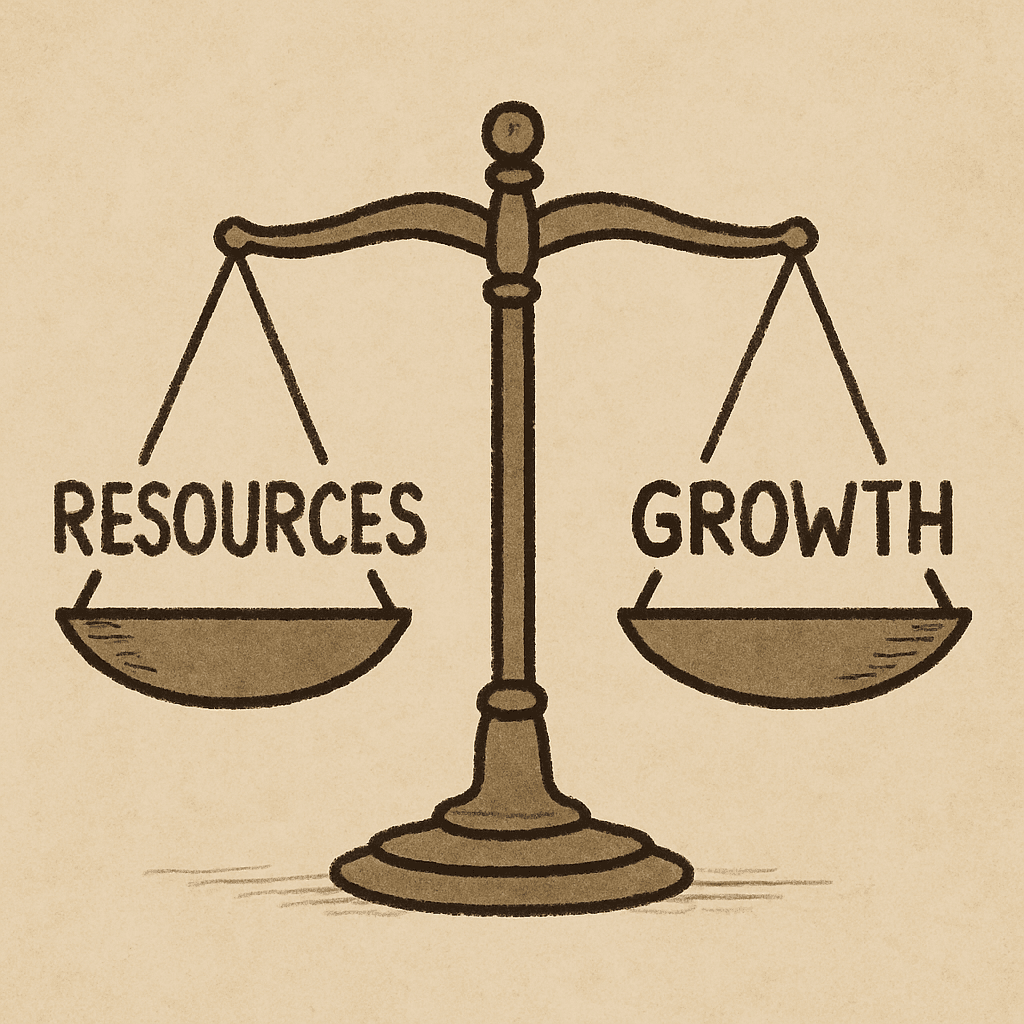
Assessing Your Current Resources and Capabilities
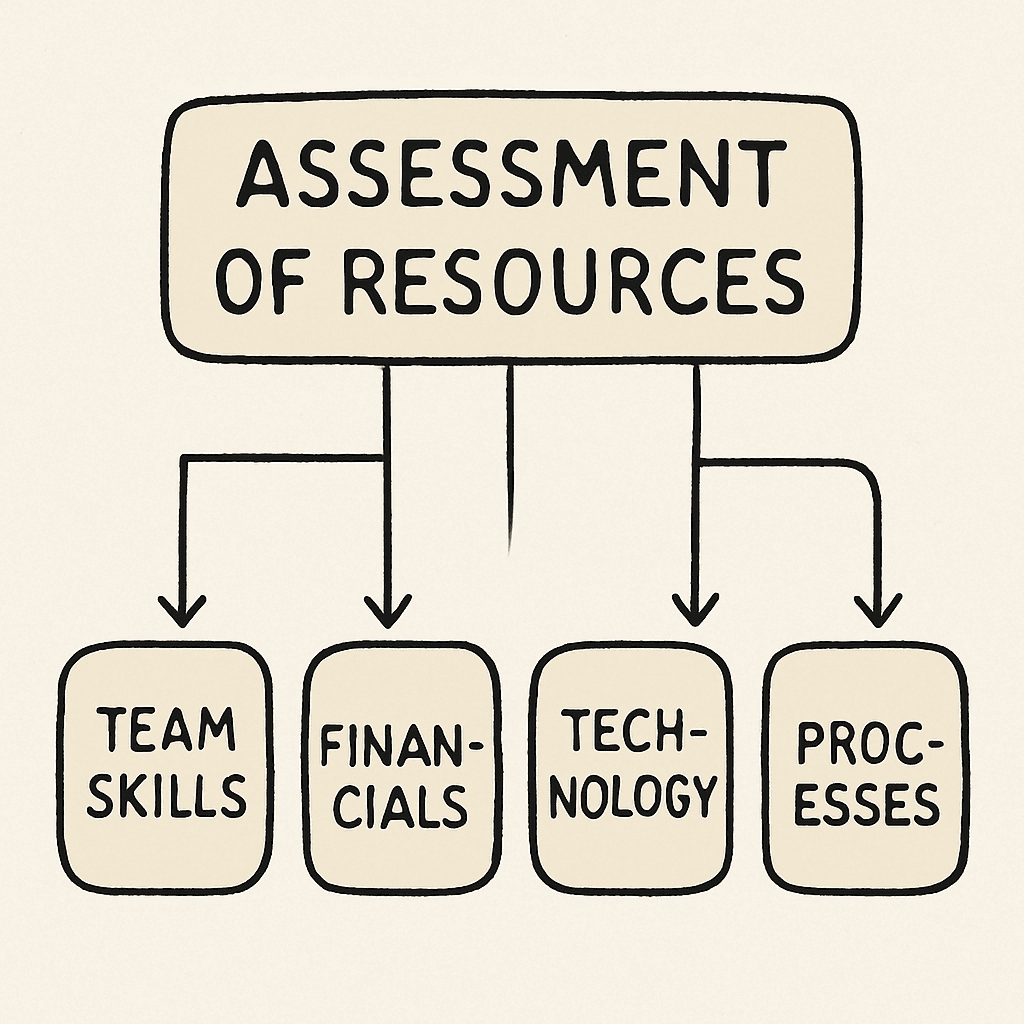
Before scaling, it’s important to fully understand your existing resources. This evaluation will help you identify strengths and areas needing improvement. Start by assessing your team’s skills and current workload.
Consider creating a skills inventory for your team. Document each member’s capabilities and experience. This will pinpoint untapped potential and opportunities for internal development.
Financial resources must also be considered. Analyse current budgets to identify available funds for growth initiatives. Determine if reallocating resources might enhance efficiency.
Review technology and tools currently in use. Evaluate whether they support your business’s growth needs. Cutting-edge tools can streamline operations and reduce the burden on your team.
Finally, examine your existing processes for scalability. Look for bottlenecks that hinder operational efficiency. Prioritising process improvement is crucial for sustainable growth.
Key areas to assess include:
- Team capabilities and workload
- Financial resources and budget allocation
- Technology and tools in use
- Existing processes and efficiency
A thorough understanding of these areas sets the stage for successful scaling. It ensures that you’re leveraging all available resources effectively.
Streamlining Processes for Maximum Efficiency
Achieving efficiency in your business requires streamlining processes. This enhances productivity without adding staff. Start by mapping out your existing workflows to identify unnecessary steps.
Simplify wherever possible. Reduce redundancies in tasks to enhance speed and reliability. This will make the processes smoother and less complex.
Automation plays a key role here. Identify repetitive tasks that can be automated with technology. This allows your team to focus on strategic work that drives growth.
Communication is vital when streamlining. Ensure that everyone understands the updated processes. Clear guidance helps prevent confusion and maintains quality control.
Regular monitoring of processes is essential. Collect data to spot trends and areas for further optimisation. Use these insights for continuous improvement.
Consider these strategies for streamlining:
- Eliminate redundant steps in workflows
- Incorporate automation for repetitive tasks
- Improve communication to ensure process understanding
- Regular monitoring for ongoing optimisation
Focus on simplifying supply chain logistics as part of your effort to streamline. Optimise inventory management, order fulfilment, and delivery processes for maximum efficiency.
Don’t overlook training. Equip your team with the knowledge to utilise new systems effectively. This empowers them to contribute more value to the business.

by Kelly Sikkema (https://unsplash.com/@kellysikkema)
A streamlined business is more agile and adaptable. By prioritising efficiency, you ensure sustainable growth and reduced operational costs.
In the end, refining processes provides more capacity for scaling. It prepares your business to handle increased demand without additional hires.
Leveraging Technology and Automation
In today’s digital age, technology is a powerful ally. It can transform how businesses operate and grow. By embracing the right tools, you can achieve significant productivity gains.
Automation is key to scaling without expanding your team. Identify tasks that are routine or time-consuming. Automating these can free your staff for high-impact projects.
Start by integrating software solutions that boost efficiency. Customer Relationship Management (CRM) systems enhance customer interactions and sales processes. They streamline communication and improve service delivery.
AI and machine learning technologies offer advanced solutions. They analyse data quickly, providing insights into customer behaviour and market trends. This empowers you to make informed decisions faster.
Cloud-based tools are essential for collaboration. They allow for real-time communication and access from anywhere. This flexibility supports a more dynamic and responsive business environment.
Consider these automation strategies:
- Use CRM systems to automate customer service
- Employ AI for data analysis and decision-making
- Integrate cloud tools for collaborative projects

by Igor Omilaev (https://unsplash.com/@omilaev)
Moreover, implementing robotic process automation (RPA) can handle administrative tasks. These include data entry and report generation, freeing up valuable human resources.
Additionally, explore digital marketing automation. Tools like email marketing platforms can segment and target your audience effectively. This leads to a higher conversion rate and increased revenue.
Consider further strategies:
- Implement RPA for administrative tasks
- Use marketing automation for targeted campaigns
- Track campaign success and adjust strategies
Security is crucial when leveraging technology. Invest in robust cybersecurity measures to protect your data and systems. This reduces risks and fosters trust with customers.
Training is vital to successful technology integration. Provide your team with the necessary skills and knowledge. This ensures they can utilise new tools effectively and confidently.
Automation and technology are critical for scaling efficiently. They lower operational costs, increase productivity, and support sustainable growth. With these tools, your business can thrive without the need for more staff.
Outsourcing and Delegating Non-Core Activities
Outsourcing is a strategic decision that can propel business growth. It allows you to focus on your core strengths by delegating non-essential tasks.
Identifying activities that don’t require in-house expertise is the first step. These tasks are usually routine yet time-consuming. By outsourcing them, you can leverage external talents and free up internal resources.
For example, consider delegating IT support or accounting functions. These specialised tasks are often better handled by professionals with niche expertise. This ensures quality and saves time.
Here’s a list of common activities suitable for outsourcing:
- IT support and maintenance
- Accounting and payroll services
- Content creation and marketing
- Customer support and call handling

by Vitaly Gariev (https://unsplash.com/@silverkblack)
Outsourcing can also reduce overhead costs significantly. You avoid the expenses associated with hiring and training new staff. Instead, you pay for services as needed, allowing for flexible budgeting.
To be successful, select outsourcing partners carefully. Look for firms with proven track records and positive client feedback. Strong communication and clear expectations are vital for seamless collaboration.
Delegation within your existing team is equally important. Empower employees by entrusting them with new responsibilities. This boosts their skills and morale, enhancing overall productivity.
Reassess the effectiveness of your outsourcing strategy regularly. Ensure that it aligns with your business objectives and desired outcomes. Adjust as necessary to maintain quality and efficiency.
Outsourcing and delegation require mindful planning. When executed well, they offer significant growth potential. By focusing on core activities, you unlock new opportunities for success without the need for additional staff.
Building Strategic Partnerships for Growth
Strategic partnerships are powerful tools for business expansion. Collaborating with other businesses can open doors to new opportunities without the need for extra hires.
Such partnerships can enhance your service offerings and improve your market position. By joining forces, you leverage each other’s strengths and resources. This collaboration can lead to innovative solutions that benefit both parties.
Consider these types of strategic partnerships:
- Distribution partnerships to expand market reach
- Technology partnerships to innovate faster
- Marketing partnerships to boost brand visibility
- Supplier partnerships to ensure quality and reduce costs

by Ambre Estève (https://unsplash.com/@ambresteve)
To find the right partners, look for those with complementary skills and values. Aligning on goals and expectations is crucial for success. Approach potential partners with a clear value proposition, explaining how the partnership benefits both sides.
Communication and trust are the foundation of effective partnerships. Regular meetings and feedback loops help maintain alignment and drive success. Transparency in goals and progress ensures both parties remain on the same path.
It’s also vital to formalise the partnership with a well-drafted agreement. This protects both parties and clarifies roles and responsibilities. With strategic partnerships, your business can experience accelerated growth without the added burden of expanding your team.
Enhancing Customer Retention and Experience
Customer retention is vital for sustainable business growth. Loyal customers spend more, refer others, and promote your brand. Focusing on their experience can increase your business’s profitability without adding staff.
Begin by understanding what your customers value most. Regular feedback sessions can provide insights into their needs and preferences. Acting on this feedback shows customers their opinions matter, fostering loyalty.
Develop strategies that personalise the customer journey. Tailor your services to meet individual customer needs and enhance their experience. Personal touches can make customers feel special and valued.
Consider these strategies to boost customer retention:
- Implement a customer loyalty programme
- Offer personalised recommendations based on purchase history
- Provide exceptional customer support with quick resolution times
- Engage with customers through regular updates and newsletters

by Viraj Upadhyay (https://unsplash.com/@virajsometimes)
Consistency in service and quality builds trust. Ensure your team maintains high standards at every customer interaction point. Training staff to deliver excellent service will enhance customer satisfaction.
Utilise technology to streamline customer interactions and improve service delivery. Tools like customer relationship management (CRM) systems can help manage customer data and preferences effectively. This leads to more informed service delivery and stronger relationships.
By continuously refining your approach, your business can achieve growth through enhanced customer retention, reducing the need for new hires.
Empowering and Upskilling Your Existing Team
Empowering your current team can significantly aid in scaling a business without new hires. Providing opportunities for growth keeps employees engaged and motivated. This approach increases productivity and innovation.
Invest in training programmes tailored to your business needs. Equip your team with skills that align with your growth objectives. Ongoing learning helps employees adapt to new challenges efficiently.
Consider establishing a mentorship programme. Pairing less experienced employees with seasoned team members promotes knowledge transfer. This boosts confidence and facilitates career development.
Encourage a culture of autonomy and responsibility. Empower your team to make decisions within their roles. Trust in their abilities can lead to more innovative solutions and enhanced job satisfaction.
Key strategies for empowering your team might include:
- Offering regular training sessions and workshops
- Creating a mentorship or buddy system
- Encouraging decision-making autonomy
- Setting clear career progression paths

by Van Tay Media (https://unsplash.com/@vantaymedia)
Recognise and reward achievements to reinforce motivation. Celebrate both individual and team successes. Recognition fosters a positive work environment and encourages continued effort.
Finally, solicit and act on employee feedback to improve the workplace. An open dialogue ensures your team feels valued and heard. This engagement is crucial for fostering loyalty and encouraging high performance. Through empowerment and upskilling, your business can leverage existing talents for sustainable growth.
Data-Driven Decision Making for Business Growth
Embracing data-driven decision making can lead to smarter, more efficient business expansion.
Utilising data allows you to understand market trends, customer behaviours, and operational inefficiencies. This insight is invaluable for making informed strategic choices.
Data analytics tools can help identify areas of improvement and growth opportunities. These tools can pinpoint inefficiencies in processes, highlight successful strategies, and suggest where to allocate resources for maximum impact. With accurate data, your decisions are less about guesswork and more about strategic planning.
A clear understanding of key performance indicators (KPIs) is essential. KPIs provide measurable metrics to assess performance. Regularly monitoring these can guide adjustments in strategy to ensure alignment with business goals.
The benefits of data-driven decision-making include:
- Informed strategic planning
- Enhanced customer insights
- Streamlined operations
- Improved resource allocation

by Timelab (https://unsplash.com/@timelabpro)
It is crucial to integrate data analysis into the core operations of your business. Train your team to understand and utilise data in their daily roles. This integration will empower them to contribute to data-driven strategies actively.
Lastly, ensure data security and accuracy. Regularly update your data systems to protect sensitive information and maintain the integrity of your analyses. By doing so, you create a dependable foundation for sustainable business growth driven by informed decisions.
Innovating Products, Services, and Business Models
Innovation plays a crucial role in business growth and expansion. By refining your offerings, you can meet customer needs better and capture new markets. Innovation doesn’t always mean creating something entirely new; it can also involve improving what’s already there.
Focus on enhancing your existing products or services. Consider customer feedback and industry trends to identify areas for improvement. Even small tweaks can significantly impact customer satisfaction and, consequently, business performance. Such continuous improvements keep your offerings relevant and competitive.
Re-evaluating your business model can unveil opportunities for expansion. A flexible and adaptable model can accommodate market changes and customer demands. Examine your value proposition and delivery methods to ensure they align with current industry standards and customer expectations.
Strategise ways to foster innovation within your team. Encourage open brainstorming sessions and invest in research and development. Creating a culture that values creativity and experimentation can lead to breakthrough ideas that redefine business potential.
Key ways to drive innovation include:
- Customer feedback analysis
- Regular market research
- Encouraging creative thinking
- Adapting to new technologies

by Carrie Borden (https://unsplash.com/@carrie_borden)
Remember, innovation isn’t a one-time task; it’s a continuous journey. Regularly assess and adapt your offerings and business strategies. This proactive approach ensures you stay ahead of competitors and continually provide value to your customers.
Case Studies: Real-World Examples of Scaling Without Hiring
Real-world examples can offer valuable insights into scaling a business without adding staff. Many companies have successfully expanded their operations through strategic approaches. Let’s explore some inspiring cases and the strategies they employed.
One tech startup managed growth by implementing advanced automation tools. They focused on process automation to handle increased demand, which allowed the team to maintain quality without hiring more staff.
Their success illustrates the power of technology in scaling operations efficiently.
Another company in the service industry enhanced customer experience through strategic partnerships. By collaborating with complementary businesses, they extended their service offerings and reached more customers. This approach not only widened their market reach but also strengthened their brand presence.
A retail business took a data-driven approach for expansion. Utilising customer analytics, they identified key areas to improve and tailored their marketing efforts accordingly. This strategy resulted in better customer retention and higher sales, showcasing the effectiveness of informed decision-making.
Key takeaways from these examples include:
- Leveraging technology
- Forming strategic partnerships
- Using data analytics

by Markus Spiske (https://unsplash.com/@markusspiske)
These cases demonstrate that innovative strategies can drive growth. Businesses can achieve scaling by optimising resources without the need for additional hires.
Common Pitfalls and How to Avoid Them
Scaling a business without hiring more staff is both rewarding and challenging. However, there are pitfalls to avoid. Being aware of these can help in planning effectively and avoiding costly mistakes.
One common mistake is neglecting team morale. When workloads increase, but team size doesn’t, burnout can occur. Ensuring ongoing support and realistic workloads is crucial. Equally important is not overlooking the importance of process optimisation. Without streamlining processes, efficiency can suffer, leading to bottlenecks.
Lack of a clear growth plan can derail scaling efforts. A well-defined strategy should outline goals, resources, and timelines. Continuous revision of this plan keeps the business on track and aligned with market conditions.
Common pitfalls include:
- Ignoring team morale
- Failing to optimise processes
- Lacking a clear growth plan
By staying vigilant, businesses can navigate growth challenges more effectively and sustain long-term success.
Conclusion: Sustainable Growth Without Expanding Your Team
Scaling a business without adding new staff requires thoughtful strategies. It’s about optimising what you already have. This approach not only saves on costs but also leverages existing talent and technology for growth.
Adopting technology and streamlining operations can transform business processes. Automation frees up time, allowing staff to focus on strategic initiatives. This creates an agile environment where innovation thrives, without requiring new hires.
Strategic partnerships and outsourcing non-core activities play a vital role. They allow access to external expertise and resources, facilitating expansion.
This way, businesses can enter new markets and improve capabilities without additional internal pressure.
Finally, focusing on customer satisfaction drives loyalty and repeat business. A satisfied customer base can lead to organic growth and new opportunities. With these strategies, businesses can achieve sustainable growth while maintaining a lean, efficient team. The key is balance—leveraging resources to scale efficiently whilst supporting your existing team.