

What does AI Automation for Accountancy Practices look like in the UK
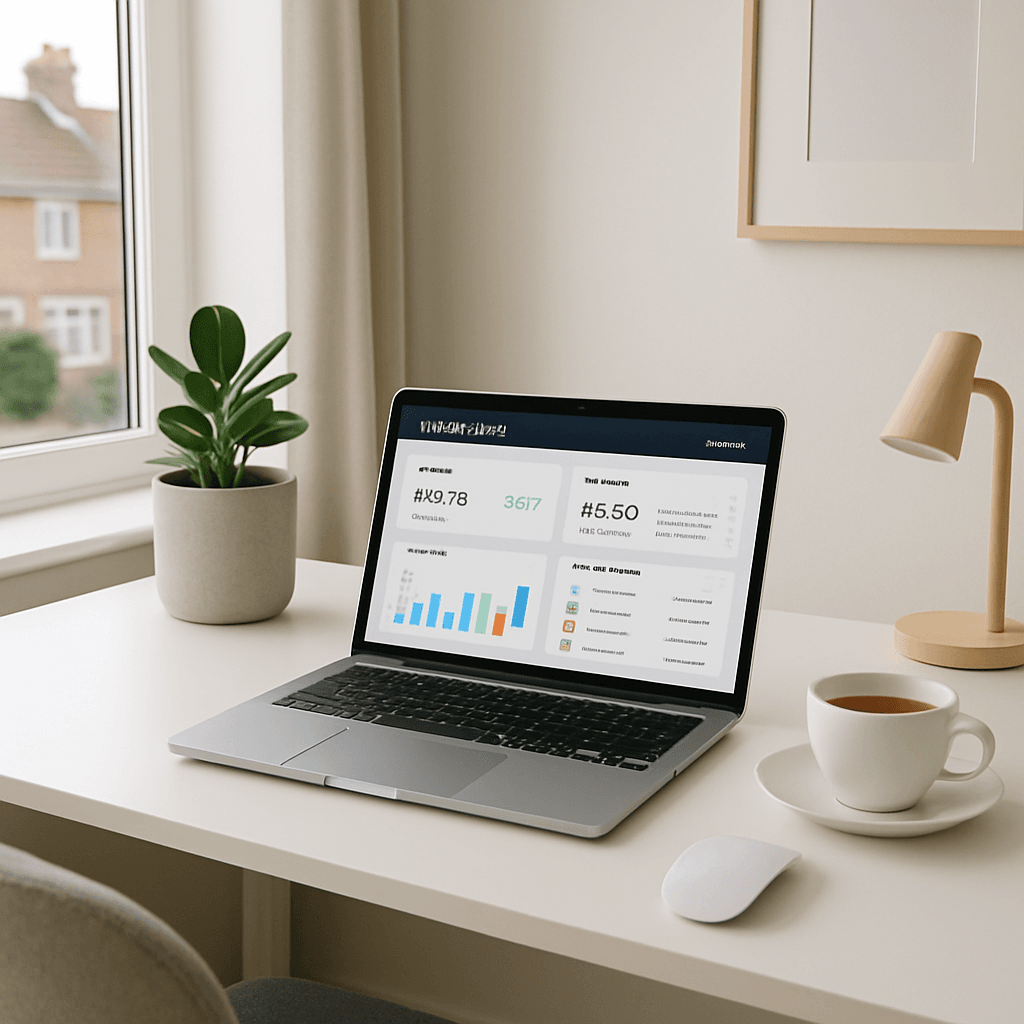
We’ve all spent a Sunday evening staring at a pile of faded receipts, wondering if there’s a faster way to get through a client’s VAT return. While everyone understands that manual bookkeeping drains hours from the week, the actual numbers are staggering. Industry data reveals that the average small firm loses nearly 40% of its time to manual data entry alone. That is a massive chunk of your working month spent just typing numbers from paper into a screen, rather than helping your clients thrive.
HMRC’s ongoing push for Making Tax Digital (MTD) has transformed this from a minor annoyance into an urgent catalyst for adopting new technology. Fortunately, AI automation for accountancy practices in the UK isn’t science fiction; it acts more like a tireless digital intern. Instead of keying in every single expense, this software learns your habits and extracts the details automatically. Your role shifts entirely from exhausting manual typing to simply reviewing and approving the system’s suggestions.
What does AI automation in UK accountancy actually look like on a typical Monday morning? Imagine an online setup where your software automatically fetches a supplier invoice, reads the text, and categorises it for the correct VAT rate before you’ve even finished your morning tea. The technology handles the heavy lifting in the background, creating a smooth digital conveyor belt for your records.
Reclaiming those lost hours unlocks a completely different way to run your business. By reducing manual data entry for accountants, artificial intelligence frees you up to offer valuable advisory services instead of just chasing compliance deadlines. Ultimately, giving that 40% back to your team means less stress, fewer errors, and more time focused on the work that truly matters.
Beyond the Buzzwords: The Difference Between a ‘Digital Conveyor Belt’ and a ‘Digital Intern’
When comparing AI vs traditional accounting methods, think of standard software rules as a simple “digital conveyor belt.” If you tell your system to label every “British Gas” charge as a utility expense, it moves that data perfectly down the line every single time. But if that supplier suddenly sells you boiler insurance instead of electricity, the conveyor belt doesn’t know any better. It blindly follows your original instruction, creating an annoying categorisation error that you must manually fix before filing your VAT return.
True artificial intelligence, however, acts much more like a “digital intern.” The real benefits of machine learning in auditing and daily bookkeeping come from the software’s ability to watch your actions and adapt. If you correct that insurance transaction, the system remembers your choice. The next time a similar unusual expense appears, it suggests the correct category based on your past adjustments, successfully avoiding those rigid, rule-based mistakes.
This adaptable technology is rapidly shaping the future of artificial intelligence in UK accountancy. Because it learns your unique business habits rather than demanding perfect instructions, you spend far fewer hours fixing mundane errors, making the handling of messy, unpredictable paperwork completely effortless.
Stopping the Paper Trail: How AI Reads Your Receipts Better Than a Human
Squinting at a crumpled petrol station receipt and typing numbers into a spreadsheet is a frustrating, error-prone chore that quickly drains your working week. When looking at reducing manual data entry for accountants, the main hurdle is moving details from paper into your software.
Modern software solves this completely using a technology called OCR (Optical Character Recognition). Think of OCR as a highly trained digital reader. Instead of you typing, the system scans the image and instantly identifies the text. It is a key driver of AI automation in UK accountancy, turning a quick phone snapshot into accurate financial data within seconds.
Even if an invoice layout is unusual or the ink is slightly blurry, this intelligent system knows exactly what to look for. It automatically searches the document to extract four essential data points:
- Supplier Name
- Transaction Date
- Net Amount
- VAT Amount
By letting this technology handle messy paperwork, a busy practice can easily save several hours every week while dramatically reducing human error. Understanding how to automate bookkeeping workflows starts right here, with pristine, digitised data. Once those receipts are accurately captured, they can seamlessly match your actual bank statements.
The Perfect Handshake: Automating Bank Reconciliation with AI
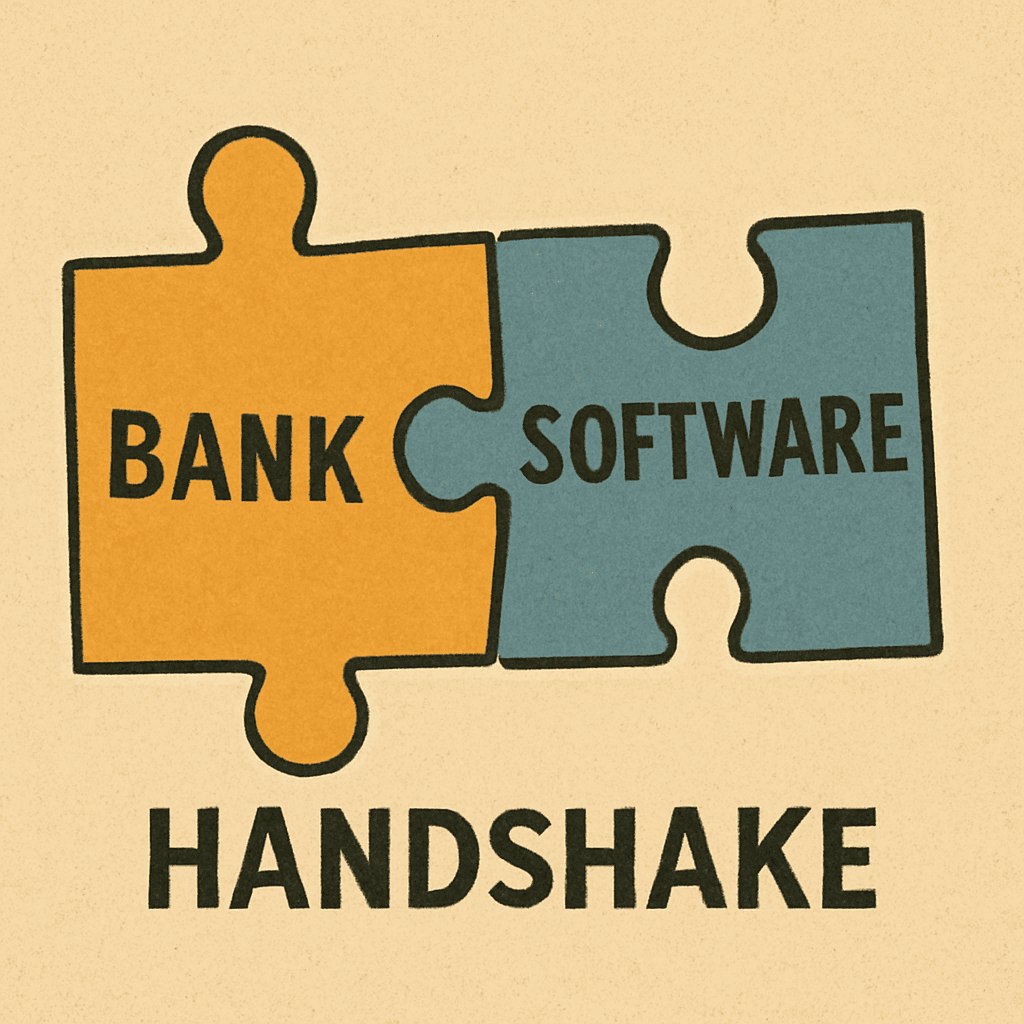
Capturing receipts perfectly is only half the battle; those numbers still need to match your bank account. Traditionally, this meant manually ticking off lines on a paper statement, but UK Open Banking changes everything. It creates “The Handshake”—a secure connection where modern automated financial services talk directly to your bank, pulling daily transactions automatically without requiring any manual downloads from you.
Once that secure link feeds live data into your cloud accounting software with AI integration, the system acts like a vigilant digital assistant. Rather than waiting for you to find the connections, the AI actively suggests perfect matches between your newly uploaded invoices and your actual bank withdrawals. It intelligently spots anomalies you might miss, instantly flagging accidental double payments or unusual bank fees.
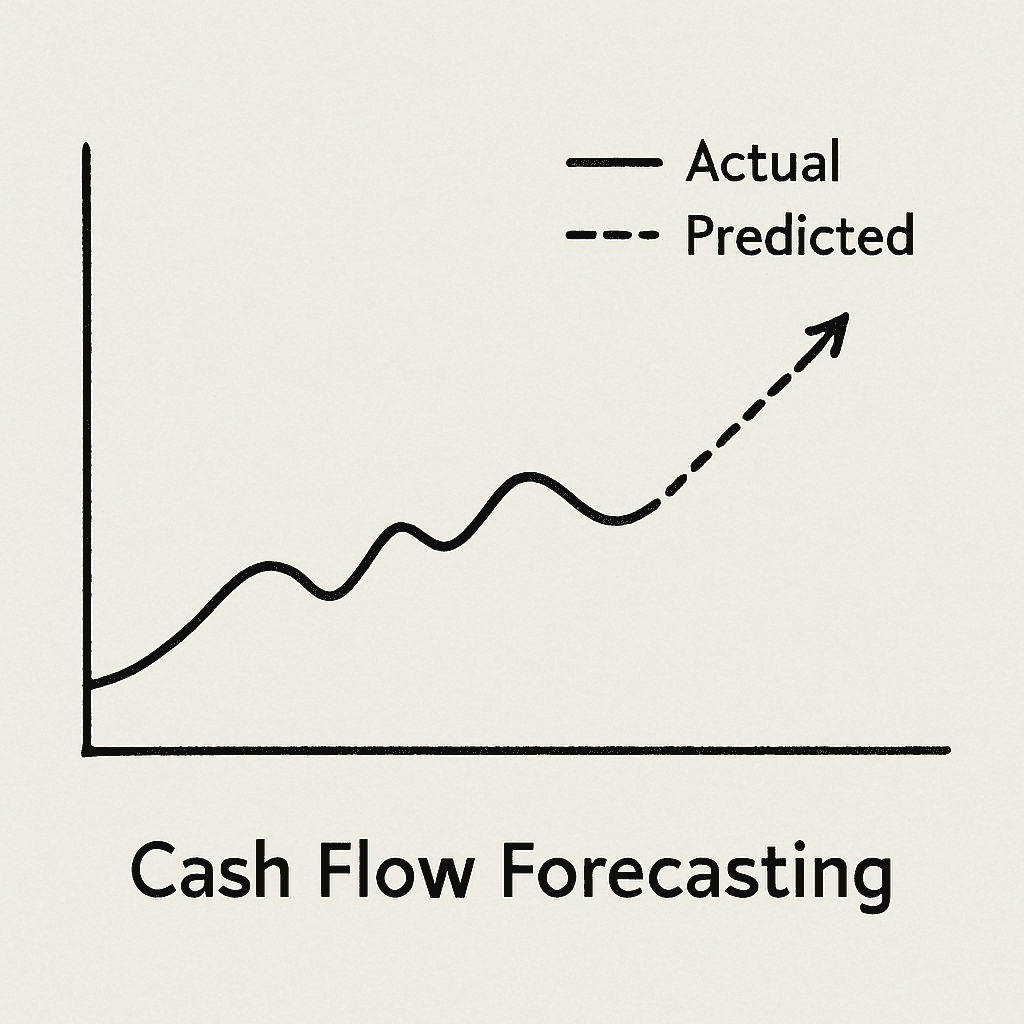
Suddenly, a grueling end-of-month reconciliation ordeal becomes a relaxed five-minute daily review. Because your numbers are consistently balanced, the platform can even utilise predictive analytics for cash flow forecasting to anticipate upcoming expenses. Accurate, up-to-date bookkeeping sorted securely in the background positions you perfectly for tax season.
Navigating HMRC and MTD: How AI Keeps Your Practice Compliant
As the quarterly VAT deadline approaches, the familiar stress of scrambling at the eleventh hour often sets in. Modern practices bypass this entirely by using UK Making Tax Digital compliance AI tools to organise data continuously as it arrives. This simply turns HMRC’s mandatory digital reporting from a dreaded quarterly chore into a seamless background task.
Think of this technology as a vigilant digital safety net running constant VAT gap analysis—automatically comparing the tax you expect to pay against what you are actually reporting. By utilising robotic process automation for tax returns, the software actively protects your business against HMRC audits in three key ways:
- Error flagging: Catching duplicate invoices or suspiciously high VAT claims before you hit submit.
- Consistency checks: Ensuring your reported tax figures match your bank data perfectly.
- Deadline reminders: Sending automated alerts long before official cutoff dates.
Trusting software with sensitive financial data is naturally a bit daunting at first. However, reputable systems are built specifically to guarantee GDPR compliance for AI accounting tools, keeping your clients’ personal information strictly encrypted and entirely safe within UK data regulations.
Escaping the endless cycle of manual compliance checking gives you back hours of valuable time each week, allowing you to shift focus toward high-value advisory work and financial strategy.
From Bookkeeper to Business Partner: Using Predictive Analytics for Cash Flow
Looking at a basic cash flow statement tells you exactly where a business has been, but it rarely prepares you for what happens next. Imagine giving clients a financial crystal ball instead of a historical receipt. Predictive analytics acts as a digital assistant, studying past income and expenses to intelligently estimate exactly what next month’s bank balance will look like.
By utilising predictive analytics for cash flow forecasting, you can spot trouble on the horizon before a client actually runs out of cash. For example, the software might notice a recurring seasonal dip in retail sales post-Christmas, even while fixed supplier bills remain constant. Spotting these cash flow troughs early allows you time to help them secure a temporary overdraft before any panic sets in.
Shifting your focus from yesterday’s numbers to tomorrow’s strategy is the secret to improving advisory services through data analytics. Instead of merely handing over completed tax returns, you enter client meetings equipped with data-driven insights about their future growth. You seamlessly transform from a traditional bookkeeper into an indispensable business partner.
Embracing AI automation for accountancy practices in the UK goes far beyond keeping HMRC happy; it fundamentally upgrades your client service. Master these forward-looking conversations, and you will naturally attract new businesses eager for strategic guidance.
First Impressions Count: Streamlining Client Onboarding in Under 10 Minutes
Bringing on a new client often involves waiting days for them to post physical utility bills just to tick a compliance box. By automating client onboarding for accounting firms, that frustrating lag vanishes, turning a week-long paper chase into a ten-minute digital breeze. A modern welcome not only saves your team hours of administrative headache but also immediately shows new clients that your practice is highly efficient.
Instead of manually piecing together documents, you can rely on the best AI tools for small accounting practices to handle the heavy lifting. A seamless digital onboarding workflow typically moves through three automated steps:
- Digital ID upload: Clients snap a photo of their passport, and the software instantly verifies it to meet mandatory “Know Your Customer” (KYC) rules.
- AI-generated engagement letters: The system automatically drafts a tailored contract based on the exact services they need.
- Automatic HMRC agent authorisation: Digital requests are sent straight to clients to approve your access to their tax records.
Ensuring all UK regulatory ID checks are completed automatically gives you total peace of mind while scaling your practice. However, as your firm starts collecting passports and financial details digitally, protecting this sensitive information becomes paramount.
Is My Data Safe? Navigating GDPR and Security in the Age of AI
Handing over digital passports naturally makes clients nervous about privacy. We often view old-school filing cabinets as the safest option, but physical paper trails and unencrypted emails are actually riskier than modern technology. By embracing AI automation for accountancy practices, you replace easily lost paperwork with highly protected digital environments.
Fortunately, securing this information is simple. Using cloud accounting software with AI integration means your data lives safely online rather than on a vulnerable office laptop. These platforms rely on data encryption, a process that scrambles files so only authorised users can read them, effectively building a locked digital vault.
Another common fear is that smart features share financial secrets with the internet. However, strict GDPR compliance for AI accounting tools ensures a solid wall between public systems and your business. Reputable software never uses your sensitive VAT numbers to “train” a public AI; it only learns your specific bookkeeping habits safely behind closed doors.
Knowing your firm’s information is legally protected clears the biggest hurdle to upgrading your practice, empowering you to modernise your operations with confidence.
Your 30-Day Plan to Start Automating Without Breaking the Bank
Staring at endless software options can easily cause analysis paralysis. The secret to modernising your firm isn’t to overhaul everything by Monday morning, but rather to start with everyday chores. By targeting “low-hanging fruit”—like typing out paper receipts or manually matching invoices—you can comfortably learn how to automate bookkeeping workflows without risking your daily operations.
Running a pilot test with just one friendly client is the safest way forward. Think of software integration as a simple “handshake” between two programs. When a receipt-scanning app securely connects to your main online ledger, they shake hands and share data automatically, meaning you no longer have to act as the middleman. This gentle introduction helps you identify the best AI tools for small accounting practices without feeling overwhelmed by complex IT projects.
To get your new digital intern up and running safely this month, follow this straightforward roadmap:
- Pick one manual process: Choose basic receipt sorting to build confidence before tackling sensitive projects like implementing automated payroll processing systems.
- Trial one tool: Set up a user-friendly app like Dext or Hubdoc to read and extract information from physical paperwork.
- Connect a bank feed: Link the app to a single client’s UK bank account to watch the digital handshake happen in real time.
Within just a few weeks, these manageable adjustments will turn intimidating technology into your most reliable administrative assistant.
The Future of UK Accountancy: Thriving in an Automated World
You now understand how software lifts the burden of manual data entry. But as we look at the future of artificial intelligence in UK accountancy, one big question remains: can AI replace junior accountants? The short answer is a reassuring no. Instead of taking jobs, this technology acts as a tireless digital intern, tackling the endless receipt sorting so your team can focus on client success.
By embracing AI automation, you are upgrading your entire profession. The core benefits of unmatched accuracy and rapid processing speeds mean less time fixing routine HMRC errors and more time offering valuable advisory support. This human-plus-AI synergy transforms a stressful administrative grind into a clear path for career growth, allowing you to use your expertise where it matters most.
Start with one simple action today, like turning on automated bank feeds, and notice the immediate operational relief. Ultimately, the greatest value this technology offers is getting your time back, ensuring the tedious tasks are handled safely in the background while you focus entirely on the people behind the numbers.